
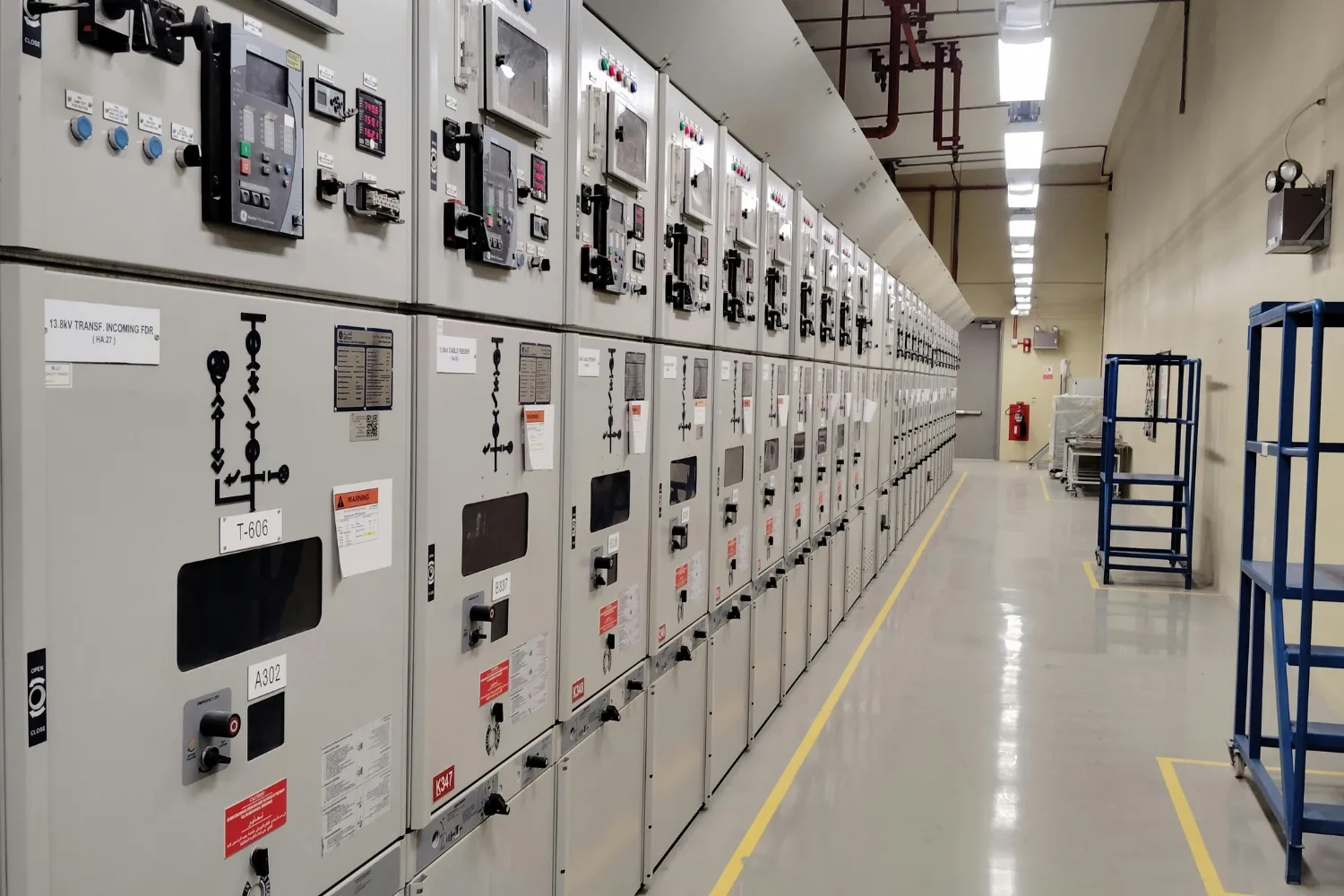
Choosing the right electrical control panel is an important part of building a safe, efficient, and reliable industrial power system. The right panel not only manages electrical distribution and equipment control but also supports smooth plant operations and long-term performance.
Before selecting a panel, it is important to consider factors such as load requirements, application type, operating environment, control requirements, component quality, safety, and future expansion. A properly engineered panel should be designed around the specific requirements of the installation rather than using a one-size-fits-all approach.
Key Factors to Consider
1. Understand Your Power Requirements
Determine the connected load, voltage, current, fault level, and distribution requirements before selecting the panel configuration.
2. Consider the Application
Manufacturing plants, process industries, commercial facilities, and automation systems can have very different requirements. The panel should match the equipment and operating conditions.
3. Focus on Safety & Protection
Proper protection devices, segregation, earthing, cable management, and appropriate enclosure selection are essential for safe electrical operation.
4. Select Quality Components
Reliable switchgear and control components can contribute to consistent performance and easier maintenance throughout the panel’s service life.
5. Plan for Future Expansion
Allowing suitable space and capacity for future electrical loads can make system upgrades easier and reduce the need for major modifications.
Why Professional Panel Engineering Matters
A well-designed electrical panel brings together power distribution, protection, control, monitoring, and safety in one organized system. Professional engineering helps ensure that these elements work together according to the project’s electrical and operational requirements.
At NEO Hi Tech Power, we focus on developing electrical panel solutions around the specific needs of each application. Our approach combines engineering, quality manufacturing, systematic testing, and project coordination to deliver dependable solutions for modern industrial and commercial requirements.